Kilimanjaro — your questions answered.
Everything you need to know about climbing Kilimanjaro with Ricky Munday — the route, the training, altitude and safety, kit, costs and booking. Still have a question? Get in touch and Ricky will come straight back to you.
On the mountain.
Which route do we climb, and why?
In 2027 we offer two routes. The Rongai route is the quieter, northern approach — more remote and less crowded than the busier southern routes, approaching from the drier side of the mountain, with a gradual profile and a dedicated acclimatisation day for a strong, steady build to the summit; you finish by descending the Marangu route, so you see two sides of the mountain. The Lemosho route is a scenic western approach that runs a little longer for even better acclimatisation. We’ll confirm the day-by-day for your chosen departure in your joining instructions.
How long is the expedition?
It depends on your route. The Rongai route is a 7-day trek — a 9-day trip once you add a travel day either side. The Lemosho Glades route is an 8-day trek — a 10-day trip with travel days — spending one extra day on the mountain for even better acclimatisation. Both summit Uhuru Peak (5,895 m). You can see the two compared side by side, day by day, in the two routes section.
What’s the day-by-day itinerary?
Rongai route (7-day trek): Day 1 fly in; Day 2 Rongai Gate to Simba Camp (2,830 m); Day 3 to Kikilewa Cave Camp (3,600 m); Day 4 to Mawenzi Tarn (4,315 m); Day 5 acclimatisation day — climb Mawenzi Ridge (~4,700 m) and back for a second night at Mawenzi Tarn; Day 6 to Kibo Camp (4,703 m); Day 7 summit Uhuru Peak (5,895 m) then descend to Horombo; Day 8 to Marangu Gate, celebration dinner; Day 9 fly home.
Lemosho Glades route (8-day trek): Day 1 fly in; Day 2 Lemosho Glades to Big Tree Camp (2,780 m); Day 3 to Shira 1 Camp (3,500 m); Day 4 to Shira 2 Camp (3,900 m); Day 5 to Barranco Camp (3,960 m) via the Lava Tower; Day 6 to Karanga Camp (3,963 m); Day 7 to Barafu Camp (4,640 m); Day 8 summit Uhuru Peak (5,895 m) then descend to Millennium Camp; Day 9 to Mweka Gate, celebration dinner; Day 10 fly home.
See both routes with maps, side by side, in the two routes section.
How high is Kilimanjaro?
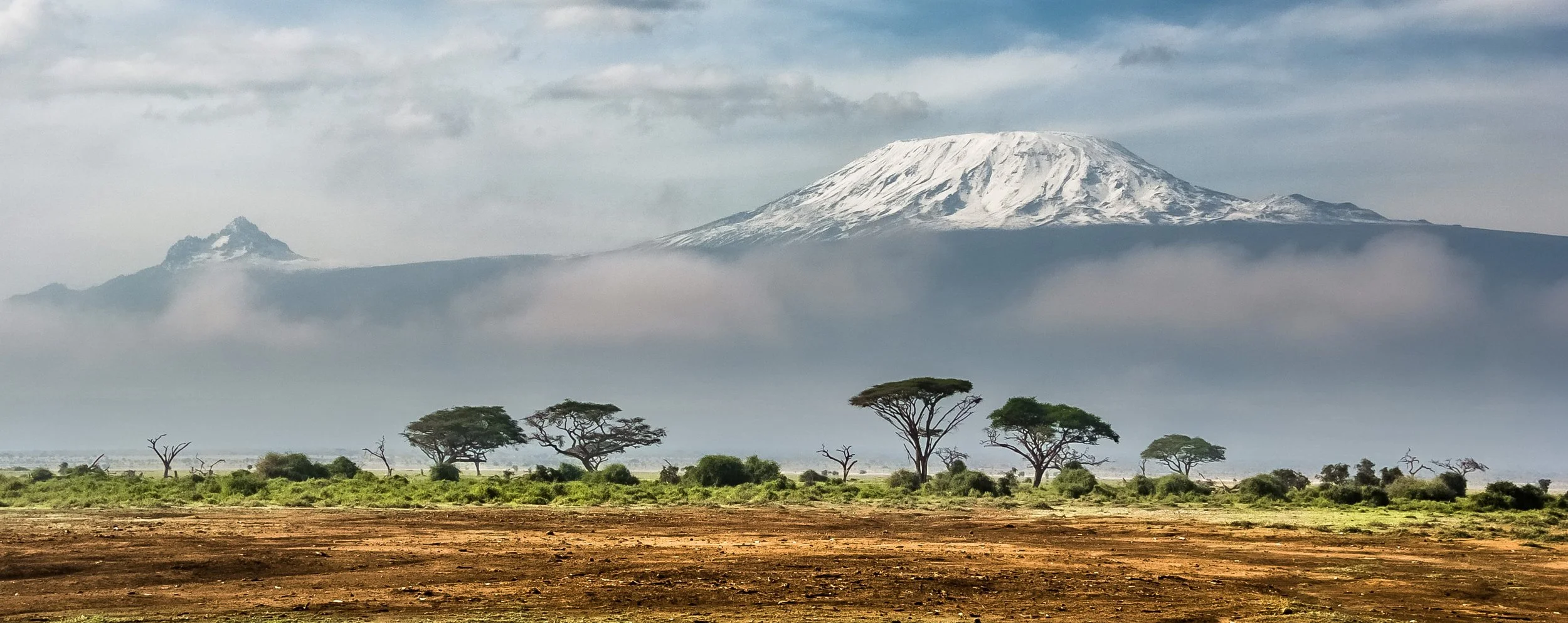
The summit, Uhuru Peak, is 5,895 m (19,341 ft) — the highest point in Africa and the world’s tallest free-standing mountain. Our highest camp is Kibo at 4,703 m, and we summit from there on summit night.
Do I need climbing experience or technical skills?
No. Kilimanjaro is a high-altitude trek, not a technical climb — there’s no rope work, ice-axe or crampon skills required. What it demands is good hill-fitness, determination, and the ability to keep going at altitude over consecutive days. That’s exactly what we prepare you for.
What is summit night like?
You set off from Kibo in the very early hours, head-torch on, moving slowly and steadily in the cold and dark to reach the crater rim (Gilman’s Point) around sunrise, then on to Uhuru Peak. It’s the hardest and most rewarding part of the trip — long, cold and high — which is why pacing, layering and mindset matter so much, and why we brief you thoroughly beforehand.
What are the chances of reaching the summit?
Nobody can guarantee a summit — the mountain and your body on the day both have a say. But the choices we’ve made are all designed to maximise your chances: the 9-day Rongai profile with a dedicated acclimatisation day, a deliberately slow “pole pole” pace, an experienced leader managing the group, and altitude-safety systems carried throughout.
Who’s leading you.
Why climb with a qualified UK leader — what am I paying for?
Overseas trips come in a few models that aren’t really comparable on price. At the lower end you book a local in-country operator, or a UK platform that markets the trip but hands you to a local operator; some UK operators send only a local leader. This trip is different: you get an experienced, qualified UK Mountain Leader — Ricky himself — leading on the mountain, working with trusted local partners for logistics. More high-altitude leadership with you means a bigger safety margin and better advice before and during the climb. That’s what you’re paying for — and coming home safely is always the priority.
Can I speak to Ricky before I book?
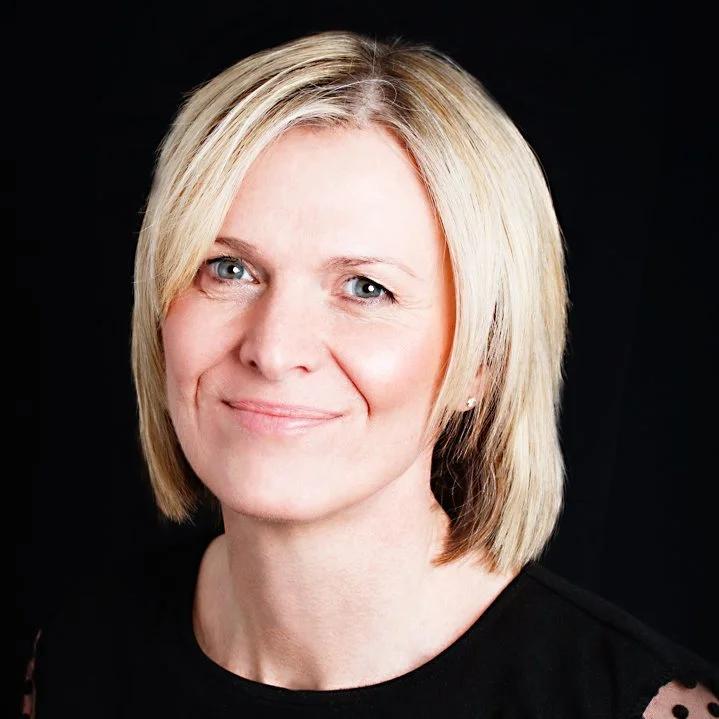
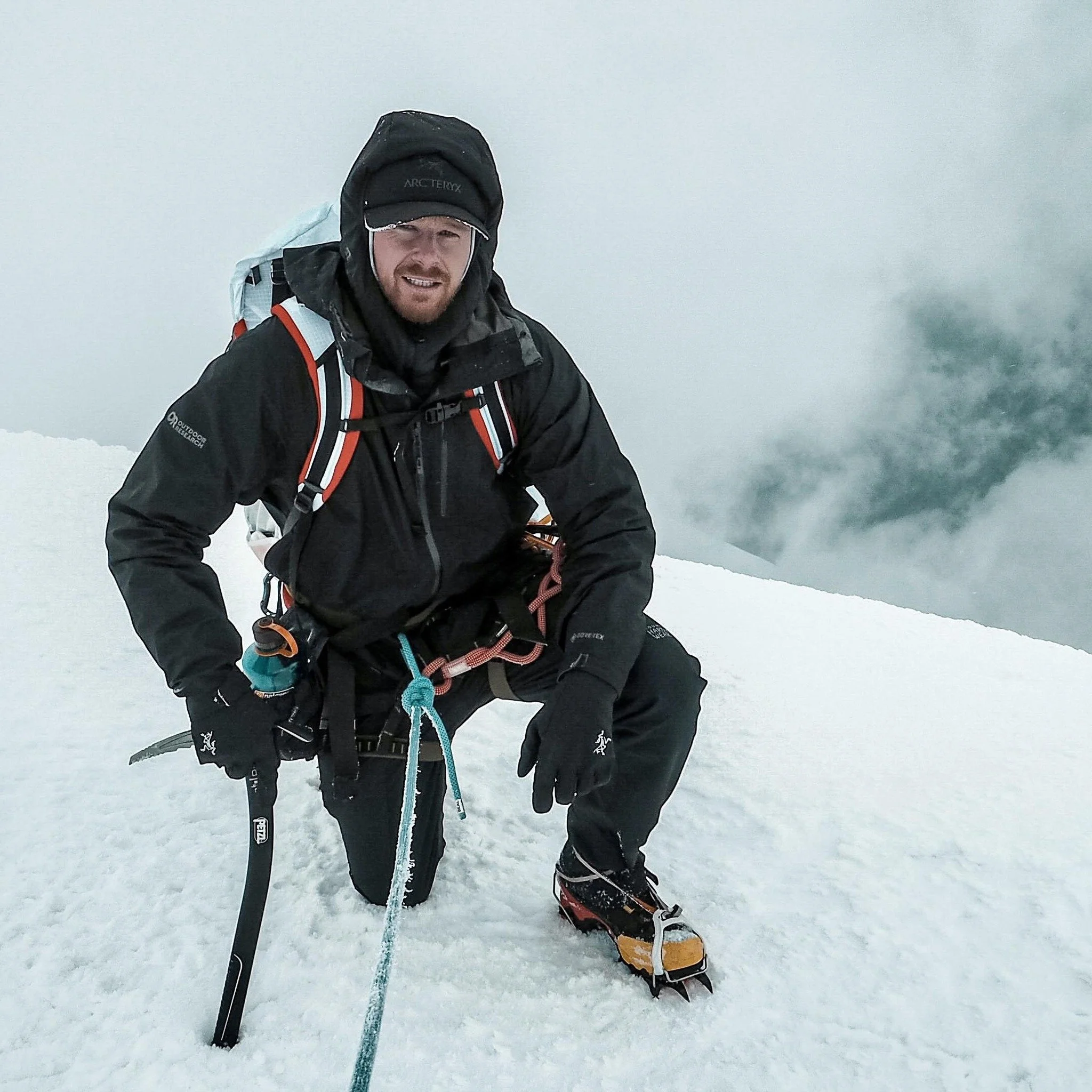
Yes — you can arrange a no-pressure 1-2-1 call to talk through your hopes, any fears, your fitness and any questions. Ricky is a qualified Mountain Leader and Expedition First Aider with 30+ high-altitude expeditions and an Everest summit (2018) behind him, so you’ll get honest, experienced advice — never a hard sell.
Who makes the safety decisions on the mountain?
Your UK leader, Ricky, takes all safety-related decisions — on pace, acclimatisation and whether it’s right to continue — drawing on his mountain-leadership and expedition first-aid training and the altitude monitoring the team carries. Expert local guides work alongside him, handling local knowledge, culture and logistics, so you can focus on the climb.
Getting ready.
How fit do I need to be, and how should I train?
You should be comfortably able to walk 5–7 hours a day on consecutive days, over hilly ground, carrying a daypack. Build your training over several months: regular hill walks (increasing in length and back-to-back days), cardio (running, cycling, swimming), and some leg/core strength work. Time on your feet on real hills — ideally with the boots and daypack you’ll use — is the best preparation.
How can I prepare specifically for the altitude and the effort?
You can’t easily replicate altitude at home, but you can arrive strong, well-rested and mentally ready. Your guide fee includes mental-toughness preparation with Ricky and a pre-trip briefing, so you’ll go in knowing what to expect and how to handle the hard moments on summit night.
Is there a way to build up to it before I commit?
Yes — try the free Virtual Kilimanjaro Challenge: cover 79 km (the Rongai route to the summit and back) at your own pace, tracked live on a map. It’s a great way to build the miles and see how you feel before committing to the real thing.
Staying safe on the hill.
How do you manage the risk of altitude sickness?
In several ways: a route profile built for acclimatisation (including a full acclimatisation day at Mawenzi), a slow and steady pace, and daily health monitoring. On the mountain we carry supplemental oxygen, pulse oximeters to track your blood-oxygen levels, and we use Lake Louise scoring to assess anyone showing symptoms — so issues are caught early.
Who leads the trip, and how experienced are they?
Ricky Munday — a qualified Mountain Leader and Expedition First Aider, Chartered Accountant and physiologist, with 30+ expeditions above 5,000 m worldwide and an Everest summit to his name. You’re led by someone who has operated at genuine altitude and who prepares you mentally as well as physically.
What’s the guide-to-client ratio and group size?
We run small groups — 6 to 12 climbers — with a maximum guide-to-client ratio of 1:3, supported by the local team of certified guides. Small numbers mean closer attention to your pace, health and safety.
What happens if I feel unwell or can’t continue?
Your safety always comes first. Our monitoring is designed to spot problems early; if you need to descend, the local team can arrange it — descent is the most effective treatment for altitude. This is exactly why your insurance must include high-altitude rescue and evacuation cover (see below).
Should I take Diamox (altitude medication)?
Some climbers choose to; some don’t. It’s a personal medical decision to make with your GP or a travel clinic well before the trip — discuss whether it’s suitable for you, and try it at home first so you know how you react. We’ll talk through altitude in your briefing, but we can’t give medical advice.
Eating and sleeping.
Where do we stay before and after the climb?
At the Weru Weru River Lodge in Moshi — a comfortable lodge on a twin-share, bed-and-breakfast basis, for the nights before and after the trek, with a celebration dinner on the final night. Your airport transfers and hotel are arranged by our local partner.
What are the sleeping arrangements on the mountain?
You sleep in tents — two people to a three-person tent, so there’s room for you and your kit. Sleeping mats, the dining tent and a private toilet tent are all provided by the local team; you bring your own sleeping bag.
Can I have a single room or my own tent?
Yes — if you’d prefer your own space, you can pay a supplement for a single room at the hotel before and after the trek, and for your own tent on the mountain. Just let us know when you book and we’ll add it to your in-country estimate.
What food and water is provided on the mountain?
All meals and drinking water on the mountain are provided — freshly cooked by the expedition cook team and eaten together in the dining tent. Water is boiled/treated and safe to drink. Let us know any dietary requirements or allergies in advance and we’ll pass them to the team.
Are there toilets, showers, phone signal or charging?
There’s a private toilet tent for the group. There are no showers on the mountain — bring wet wipes. Phone signal is patchy and there’s no mains power, so bring a power bank (and keep it and your devices warm — batteries drain fast in the cold). You can charge up at the lodge before and after.
Who you pay, and for what.
What does my guide fee cover?
Your guide fee covers Ricky’s professional mountain leadership from base to summit and back: route, pace, safety and altitude management with a summit-day plan, mental-toughness preparation, an inspirational Everest-themed talk, and a pre-trip briefing and kit list. It’s a guiding fee only — it doesn’t include your in-country costs or travel.
What do I pay our local partner, and what does that cover?
You pay our local partner directly for all your in-country services: your hotel in Moshi before and after (B&B) plus the celebration dinner, airport transfers, all park, camping and rescue fees, the certified local guides, porters and cooks, the camping equipment (tents, sleeping mats, dining and toilet tents), and all meals and water on the mountain. They give you a clear, itemised estimate.
Why are the payments split this way?
Because Ricky provides guiding services only and you contract our local partner directly for the in-country arrangements. It keeps the structure simple and transparent — you can see exactly what you’re paying for, and to whom.
What’s not included — what else should I budget for?
You arrange and pay for: international flights, your Tanzanian visa, travel and high-altitude insurance, staff tips (around £150 / $150), any personal medication, personal expenses (drinks, souvenirs, tips at the hotel) and any equipment you hire rather than bring.
How much should I budget for tips, and who do I tip?
Budget around £150 / $150 for tipping the mountain crew (guides, porters and cooks) — it’s a valued and customary part of a Kilimanjaro climb. Tips are usually pooled and handed over as a group at the end of the trek; we’ll guide you on the day. Bring this in cash (US dollars).
What currency should I bring?
US dollars in cash are the most useful for tips and incidentals (bring clean, newer notes). The Tanzanian shilling is used locally, and cards work in some places in Moshi, but don’t rely on ATMs or cards on the mountain.
The paperwork.
Do I need a visa for Tanzania?
Yes — most visitors need a visa to enter Tanzania. It’s your responsibility to arrange it in advance; the simplest route is usually the official Tanzania immigration e-visa service. Requirements and fees change, so check the current rules on the official Tanzania immigration portal and the UK government’s foreign travel advice for Tanzania before you apply.
What insurance do I need?
Comprehensive travel insurance that specifically covers high-altitude trekking to at least 6,000 m, including emergency evacuation, mountain rescue and repatriation. Standard travel policies often exclude altitude — check the small print or use a specialist provider, and carry your policy details with you. Proof of adequate insurance is a condition of joining the trip.
Which airport do I fly into?
Kilimanjaro International Airport (JRO). Your airport transfers to and from the lodge are arranged by our local partner. Please don’t book your flights until we’ve confirmed the trip is running (see booking, below).
What vaccinations or health preparations do I need?
See your GP or a travel health clinic 6–8 weeks before you travel for tailored advice. They’ll review your routine vaccinations and any recommended for Tanzania, and discuss malaria precautions for the lower-altitude areas around Moshi. A yellow-fever certificate is generally only required if you’re arriving via a country where yellow fever is a risk — your travel clinic will confirm based on your route. We’ll also ask you to complete a medical form so we can prepare and keep you safe.
Emergency cover.
See the full Global Rescue page for detail; these are the questions we’re asked most.
What happens if I’m injured or have an emergency requiring evacuation?
Every emergency is different. Ricky recommends you enrol with Global Rescue before you travel — a membership you hold in your own name that provides emergency field rescue and evacuation. Ricky introduces and recommends Global Rescue; he doesn’t provide the cover himself. If the worst happens, a single call to their 24/7 operations centre activates the rescue. This is in addition to — not instead of — the travel insurance you must hold.
Is a Global Rescue membership the same as travel insurance?
No. A membership is a field-rescue and evacuation service — 24/7 medical and security advisory, rescue from the point of illness or injury, and medical evacuation to your hospital of choice. It is not travel or medical insurance; it works alongside the comprehensive travel and high-altitude insurance we require you to hold. The membership gets you out and home; your insurance covers the costs.
Are there any limits on my activities with a Global Rescue membership?
No — Global Rescue places no limitations on activities, so high-altitude mountaineering is covered.
What’s included in the security membership?
24/7/365 advisory services plus security evacuation from events like natural disasters, civil unrest and terrorist attacks — supported by a team of intelligence specialists and military special-operations veterans.
What to bring.
Do you provide a kit list?
Yes — you’ll receive a detailed kit list with your joining instructions, covering exactly what to bring and the recommended specifications. The notes below answer the questions we’re asked most; the kit list is the definitive reference.
What equipment is provided, and what do I bring myself?
The local team provides the group camping equipment — tents, sleeping mats, the dining tent and the toilet tent — plus all meals and water on the mountain. You bring your personal clothing and equipment: sleeping bag, boots, layered clothing, daypack, water bottles/bladder, head torch, trekking poles, sun protection and personal toiletries/medication. The full list is in your joining instructions.
What sleeping bag do I need?
A four-season down sleeping bag rated to at least −10 °C (−15 °C is better) — nights near the summit are bitterly cold. Sleeping mats are provided; a silk liner adds warmth and keeps your bag clean. If you don’t own a suitable bag, you can usually hire one locally in Moshi — ask us in advance.
How should I dress — what’s the layering system?
Layers you can add and remove as conditions change: base layers (thermal top and bottoms), insulating mid-layers (fleece), a warm insulated (down) jacket for the cold camps and summit night, and waterproof, breathable outer shell jacket and trousers. Add a warm hat, a sun hat, a buff/neck gaiter, and two pairs of gloves (thin liners plus warm insulated gloves/mitts). You’ll go from hot rainforest to freezing summit, so the range matters.
What footwear do I need?
Sturdy, waterproof walking boots with good ankle support — well broken in before you travel (never climb in new boots). Bring plenty of proper walking socks, and a pair of trainers or camp shoes to change into at camp.
How much kit can the porters carry, and how do I pack it?
Your personal kit goes in a soft 60/70-litre duffel (with a lock) carried by a porter, up to a limit of 15 kg. You carry a daypack (around 20–30 litres) yourself each day. Tanzania bans plastic bags, so use waterproof compression/dry sacks to keep everything inside dry — the porters’ tarpaulin sacks aren’t fully waterproof.
What do I carry in my daypack each day?
The things you need during the day’s walk: water, warm and waterproof layers, snacks, sun protection (hat, sunglasses, sunscreen), your head torch, camera and any personal medication. Everything else travels in your porter bag.
Do I need trekking poles, a head torch and a water system?
Yes to all three. Trekking poles save your knees, especially on the long descent. A head torch (plus spare batteries) is essential for summit night and around camp. Carry two 1-litre wide-mouth (Nalgene) bottles — a bladder is fine on trekking days, but a bottle is mandatory on summit night because hoses freeze; an insulated bottle cover helps.
What about sun protection and eyewear?
The sun is strong at altitude and near the equator. Bring high-factor sunscreen and lip balm with SPF, a wide-brimmed sun hat, and good sunglasses (category 3–4). Snow glare on the summit can be intense.
Can I hire or buy kit locally?
Yes — a lot of gear (sleeping bags, down jackets, poles and more) can be hired or bought in Moshi, which is handy if you’d rather not buy items you’ll only use once. Let us know what you’re planning to hire and we’ll help you arrange it with the local team.
Securing your place.
How do I secure my place?
Five simple steps: (1) register and pay your £300 deposit to secure your place; (2) don’t book your flights yet — wait until we confirm; (3) complete a short medical and personal-information form; (4) once we reach minimum numbers we confirm the trip, and then you book your flights and settle your in-country costs with our local partner; (5) pay the balance of your guide fee and get ready to climb.
When are the 2027 dates?
We’re running three expeditions in 2027:
October — back-to-back: a Rongai climb arriving Saturday 9 October and summiting Friday 15 October; then a Lemosho Glades climb arriving Tuesday 19 October and summiting Tuesday 26 October.
New Year: a Rongai climb arriving Sunday 26 December 2027 — you spend New Year’s Eve at Kibo Camp and summit at first light on New Year’s Day, 1 January 2028. (Depending on your flights you’ll travel over the festive period; ask us about an optional extra arrival night if you’d like to travel a day earlier.)
Choose your departure when you register.
What’s your deposit and refund policy?
Your £300 deposit secures your place and is only refundable if the trip can’t run because we don’t reach minimum numbers. That’s exactly why we tell you not to book flights until the trip is confirmed — and if you do book early, keep them refundable/flexible.
What’s the minimum and maximum group size?
The trip runs with a minimum of 6 and a maximum of 12 climbers. If minimum numbers aren’t reached and we can’t run the trip, your deposit is refunded.
I have another question — how do I get in touch?
Just register your interest or get in touch via the website and Ricky will come back to you. Once you book, you’ll receive full joining instructions with the itinerary, kit list, medical form and everything you need to prepare.
Ready for the Roof of Africa?
Register your interest for the 2027 expedition and Ricky will be in touch with dates, the guide fee, kit and everything you need to start preparing.
Register your interest-
![]()
"We would not have been able to do it without the help and expertise of Ricky. Highly recommended"
Remmea Moohan
-
![]()
“Amazing company with an inspiring man at the helm! Was a brilliant leader."
Lee Chapman
-
![]()
“It was great to be part of this extremely well run and successful trip to Kilimanjaro. Ricky kept us informed in the run up to our departure issuing detailed briefings and offering assistance on kit selection. On the trek we were looked after very well every day following our predetermined plan that ultimately lead to everyone in the group reaching the summit. ”
Graeme Hill
-
![]()
“Had the most amazing unforgettable experience ever! Ricky was extremely helpful from the outset ensuring I had everything I needed for the trip, answered all my questions and concerns. It was my first time in many respects, never hiked before or slept in a tent. I couldn't have asked for anything more and wouldn't have changed a thing. So thankful and grateful for making my experience so enjoyable!.”
Yasmin Nabi
-
![]()
"From start to finish of our challenge, Ricky was the ultimate professional guide. Nothing was too much trouble."
Mat Wiltshire
-
![]()
"Being an amateur hiker with no climbing experience, with Ricky it was relaxed and felt like climbing with a friend. Would highly recommend for anyone wanting to climb."
Nathan Coulter
-
![]()
"We were very well looked after and couldn't have asked for more. Super encouraging, good fun and highly professional. Ricky is outstanding - we feel like we've made a new friend!"
Jo Chandler
-
![]()
"The experience on the trek & the feeling on the sumit is something each of us will never forget. The expedition leader Ricky led the expedition flawlessly."
Jim Fairbairn
Take on the Virtual Kilimanjaro Challenge first.
Not ready to commit to the summit — or want to build the miles before you do? Cover 79 km — the Rongai route to the summit and back — at your own pace through September, tracked live on the map. It’s free to join, a great way to rally friends or a cause, and the perfect taste of the real 2027 expedition.